
Listening Builds Sound
Students improve faster when they listen to excellent players. A strong listening habit helps students internalize tone, phrasing, style, articulation, and musical direction before those ideas become technical instructions.
Clarinet Artists to Know
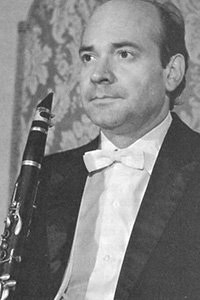
- Harold Wright - principal clarinetist of the Boston Symphony Orchestra from 1970 to 1993, and an essential model for orchestral clarinet tone and phrasing.
- Robert Marcellus - principal clarinetist of the Cleveland Orchestra from 1953 to 1973, and one of the most important American clarinet teachers and performers.
- Ignatius Gennusa - a lyrical American orchestral clarinetist whose recordings are useful models for line, color, and chamber-music sensitivity.
- CLARINETISTS on Spotify - a Spotify playlist for exploring more clarinet performers and recordings.
How to Use This List
- Listen for sound before trying to copy notes.
- Pick one phrase and sing it before playing it.
- Notice articulation, phrase endings, and dynamic shape.
- Revisit the same recordings as your playing matures.
Band Director Listening List
Band directors and student leaders can use listening as a practical rehearsal tool. Good models help students understand balance, blend, tone quality, articulation, and style before those ideas become technical instructions.
Suggested uses:
- Assign recordings before sectionals.
- Ask students to describe the tone color they hear.
- Compare articulation styles between recordings.
- Use short excerpts as rehearsal references.
- Encourage section leaders to bring listening notes to rehearsal.
Support From Robin
Robin can support school programs through woodwind sectionals, clarinet and saxophone clinics, audition preparation, listening lists, and band director mentoring.